Naughty and Nice: A Designer's Real-World Embroidery Review
When I first opened the Naughty and Nice file, my initial reaction was a mix of amusement and professional skepticism. As an embroidery designer who has spent years turning digital graphics into stitched reality, I know that not every cute concept translates well to thread. This Christmas-themed graphic is marketed as a funny design perfect for festive tote bags, cute mugs, holiday t-shirts, and various sublimation projects. But does it hold up when you are actually stitching it onto fabric? After running several tests on different materials and imagining how it would look in a small boutique setting, here is my honest breakdown of how this Graphics category item performs in real-life machine embroidery design scenarios.
The First Stitch: Visual Personality and Mood
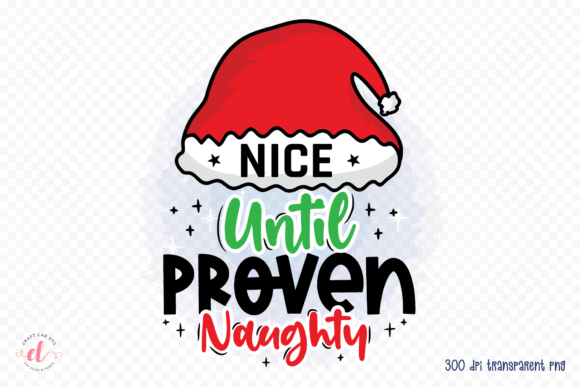
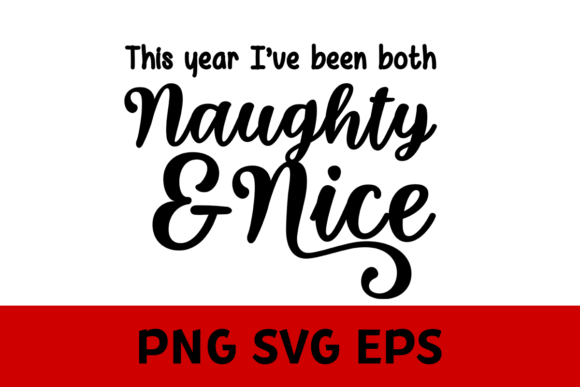
The moment you preview Naughty and Nice, the mood is instantly set. It captures that playful, slightly mischievous spirit of the holiday season without crossing into tacky territory. The layout feels balanced, suggesting a design that could anchor a variety of products. For a designer looking to create personalized gifts or custom apparel, the visual personality is key. It isn't just text; it has a character that invites the wearer to smile. In terms of stitch density and shape, the design appears to rely heavily on clean lines that should translate well into satin stitches for the lettering, with potential fill stitches if there are decorative elements like holly or ornaments attached to the words. However, the success of this piece relies entirely on how those details are rendered in the actual embroidery file.
Real-World Application: From Tote Bags to Baby Onesies
Let me walk you through a specific scenario I recently considered. Imagine you are an Etsy seller preparing your holiday inventory. You have a batch of high-quality canvas tote bags coming in from a supplier, and you want to add a touch of humor to your shop's branding. Naughty and Nice seems like the perfect candidate. The design fits the "holiday gift" niche perfectly. If stitched onto a sturdy canvas bag, the contrast between the thread and the fabric texture can make the message pop. It works beautifully as a standalone statement on the front panel, creating a product that customers will immediately recognize as a fun, seasonal accessory.
But the utility doesn't stop at bags. Consider a sweatshirt embroidery project for a family matching set. The design could be placed centrally on a cozy fleece pullover. The challenge here is the stretch of the fabric. When working with knit materials, you must ensure the stabilizer is robust enough to prevent puckering, especially if the design includes dense areas. Alternatively, think about baby embroidery. A onesie or a soft cotton bib featuring Naughty and Nice adds a layer of sentimentality for parents who appreciate a bit of wit. The design acts as a conversation starter, making the finished product feel more bespoke and less mass-produced.
I also see potential for this graphic in kitchen decor. An embroidered patch or a direct application on a tea towel could bring a cheerful vibe to a home during the holidays. For commercial embroidery projects, where volume matters, the simplicity of the design suggests it could be run efficiently, provided the digitizing is sound. Whether you are creating a tote bag design for a craft fair or a sweatshirt embroidery piece for a corporate holiday party, the versatility of Naughty and Nice is its strongest asset.
Where Caution is Required: Fabric and Detail Limitations
While the concept is strong, no design is universally perfect. There are specific situations where Naughty and Nice might struggle if not handled with care. One major concern is the use of small hoop sizes. If the design contains intricate corners or tiny lettering, cramming it into a 4x4 inch hoop can lead to distortion. The threads may bunch up, or the letters might lose their definition, ruining the crispness required for a professional finished product.
Fabric choice is equally critical. Textured fabrics, such as heavy waffle weaves or boucle, can hide the detail of the stitching. Thin fabrics, like certain types of polyester blends often used for lightweight shirts, may require additional backing to prevent the design from pulling or tearing through. Furthermore, dark fabrics present a unique challenge. If the design relies on light thread colors for contrast, you must ensure the underlay is sufficient to cover the base color. Without proper setup, the underlying fabric might show through, making the thread colors look muddy rather than vibrant.
Curved surfaces, such as caps and hats, add another layer of complexity. While Naughty and Nice looks great flat, the curvature of a baseball cap can stretch the design visually. You need to account for the compression that occurs when the needle pushes the fabric down. Similarly, if the design includes very small details or decorative accents, they might get lost on items that require frequent washing, like aprons or kitchen towels. Over time, these delicate parts could fray or snag, affecting the longevity of the item.
Impact on Brand Value and Customer Trust
In the world of handmade products and craft business operations, the quality of your embroidery directly impacts customer trust. A sloppy stitch job on a personalized gift can ruin the perceived value of the entire item. Conversely, a clean, well-executed Naughty and Nice design signals professionalism. It tells the buyer that you pay attention to detail and care about the final presentation. This is crucial for Etsy sellers and small shop owners who compete on quality and aesthetics.
When a customer receives a hoodie or a tote bag with a sharp, clear design, it enhances the brand consistency of your shop. It makes the item feel like a premium design asset rather than a generic print. This distinction drives engagement and encourages repeat business. People love buying gifts that look thoughtful, and a well-stitched holiday design fits that narrative perfectly. It elevates the item from a simple commodity to a memorable keepsake.
Practical Notes for the Embroidery Designer
Before you commit to a full production run of Naughty and Nice, there are essential steps you must take. First, always test the design on scrap fabric. Use the same material and stabilizer combination you plan to use for the final product. This allows you to check the stitch density and see how the threads interact with the weave of the cloth.
Review the stitch types carefully. Is the lettering using satin stitches that might gap if the angle changes? Are the fill stitches too dense for the chosen thread weight? Check the hoop size compatibility to ensure the design fits within your machine's limits without cutting off important details. Inspect small details closely; sometimes what looks fine on a screen becomes illegible when stitched. Test the design in black and white mockups to verify that the contrast holds up before you spend money on colored threads.
Compare how the design looks on both light and dark backgrounds. Ensure you are using the proper stabilizer to support the fabric, especially for stretchy materials. Confirm whether the license terms allow for commercial use if you intend to sell the finished items or the digital files themselves. Do not assume the file format is compatible with your machine without verifying the specifications. If the product description mentions sublimation but you are doing embroidery, double-check that the file is optimized for stitching and not just printing.
Ultimately, Naughty and Nice offers a delightful opportunity for creative entrepreneurs and hobbyists alike. It brings a sense of fun to the holiday season and provides a solid foundation for a wide range of embroidery projects. By approaching the design with caution and technical precision, you can turn a simple graphic into a standout piece of art that delights customers and strengthens your reputation as a skilled maker.