80s Retro Costume Embroidery Review
When I first pulled up the MADE in the 80s Costume 1980s Retro design file, my immediate reaction was a mix of nostalgia and practical scrutiny. As someone who reviews embroidery designs for both personal hobby projects and commercial small business applications, I don’t just look at how a graphic looks on a screen; I look at how it translates to thread. The 80s aesthetic is undeniably popular right now, but it is also fraught with potential pitfalls in machine embroidery if the design isn’t structured correctly. This review breaks down whether this specific digital asset holds up under the needle or if it’s better left as a print-on-demand mockup.
First Impressions and Visual Personality
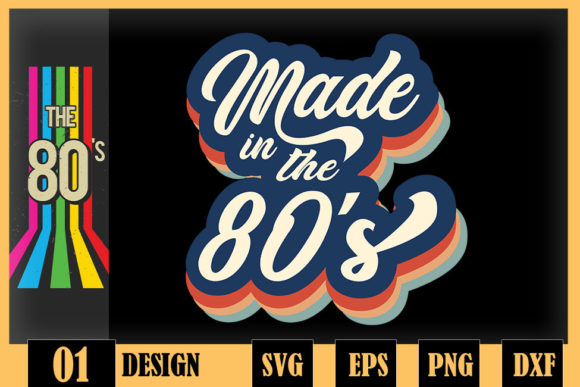
The MADE in the 80s Costume 1980s Retro graphic captures that distinct, bold energy of the decade without feeling overly cluttered. From a designer’s perspective, the visual personality is confident and playful. It leans heavily into the retro vibe, which suggests it will perform exceptionally well on items where you want to make a statement. The layout feels balanced, avoiding the common trap of having too many competing elements that can turn into a muddy mess when stitched out.
For crafters and Etsy sellers, this kind of clear, thematic design is gold. It doesn’t require the customer to squint to understand what they are buying. Whether you are targeting nostalgia-driven millennials or Gen Z buyers looking for vintage-inspired aesthetics, this design hits the mark. It feels like a piece that belongs in a boutique collection rather than a generic discount bin. The mood is celebratory, making it perfect for birthdays, anniversaries, or just celebrating one’s own era-defining birth year.
Real-World Application: Where It Shines
I often think about how a design will live on a finished product before I even load the bobbin. For MADE in the 80s Costume 1980s Retro, I see three primary use cases where this design would truly excel.
- Custom Apparel and Sweatshirts: This is the most obvious choice. A crewneck sweatshirt or a high-quality cotton t-shirt provides a stable canvas that allows the retro theme to pop. The design works beautifully as a chest pocket placement or a larger center-front statement piece. Imagine a cream-colored sweatshirt with bright, contrasting threads; the contrast between the soft fabric texture and the sharp retro lines creates a premium handmade feel.
- Personalized Gifts and Baby Items: There is a huge market for "Made in [Year]" gifts. This design is ideal for baby onesies, burp cloths, or nursery wall art. Parents love personalized touches that celebrate their child’s arrival. Because the design has a fun, costume-like element, it adds a layer of whimsy that appeals to new parents who want something unique for their little one’s first birthday or baby shower gift.
- Tote Bags and Aprons: Canvas tote bags are a staple for the craft business. They offer a large, flat surface area that is forgiving for embroidery. Placing this retro design on a sturdy canvas tote makes for a great everyday carry item that doubles as a walking advertisement for your brand. Similarly, kitchen aprons allow for a larger display of the design, turning a functional item into a conversation starter at family gatherings or holiday parties.
Technical Considerations and Stitching Clarity
As an experienced embroiderer, I have to address the technical side. Not all graphics translate well to stitch files. When evaluating MADE in the 80s Costume 1980s Retro, we need to consider stitch density and detail level. Designs from the 80s often feature complex geometric shapes or thin lines that can be challenging for machines to execute perfectly.
If the design relies heavily on fine details, you need to ensure your hoop size is appropriate. Trying to squeeze intricate elements into a tiny hoop can lead to distortion. Conversely, if the design is too dense, it might become stiff and uncomfortable against the skin, especially on baby clothes or lightweight t-shirts. I recommend checking the stitch count and density settings in your embroidery software. If the design uses a lot of satin stitches for lettering, ensure the underlay is sufficient to prevent puckering.
Thread color selection is also critical. The retro theme begs for vibrant colors—neon pinks, electric blues, and sunny yellows. However, using too many bright colors can sometimes clash with the fabric background. I suggest testing a black and white mockup first to check the value contrast. If the design lacks contrast in grayscale, it will likely struggle in color, resulting in a flat-looking finished product.
Where to Be Cautious
While this design has strong potential, there are scenarios where it might not be the best fit. Avoid using this on highly textured fabrics like heavy waffle knits or boucle wool, as the needle may struggle to penetrate evenly, leading to skipped stitches. Stretchy fabrics, such as thin spandex blends, require careful stabilizer usage to prevent warping. If you are embroidering on curved surfaces like caps or hats, ensure the design fits within the curvature without distorting the text or main graphic elements.
Additionally, be mindful of small details. If the design includes tiny lettering or very thin decorative accents, test it on scrap fabric first. These small elements can easily get lost in the stitching process or become difficult to clean up during trimming. For products that will undergo frequent washing, such as aprons or baby items, ensure the design is anchored well to prevent fraying over time.
Commercial Viability and Brand Value
For small shop owners and Etsy sellers, the question is always: does this design add value? MADE in the 80s Costume 1980s Retro has high commercial appeal because it taps into a timeless trend. Personalized gifts are evergreen, and the 80s nostalgia factor keeps the design relevant year after year. It allows you to create a cohesive product line, from matching parent-child outfits to coordinated home decor items.
Using a well-executed design like this elevates your brand perception. Customers can tell the difference between a mass-produced print and a carefully stitched embroidered piece. The tactile quality of embroidery conveys professionalism and care, which builds trust and encourages repeat business. When you present your finished product in printable mockups or photos, the clarity and crispness of the stitches will help drive engagement and sales.
Final Designer Notes
Before committing to a full production run, I strongly advise testing this design thoroughly. Use the same fabric and stabilizer you plan to use for your final product. Check the thread colors against your fabric swatches. Inspect the corners and curves for any potential issues. Confirm that you have the proper licensing rights for commercial use, especially if you are selling finished goods or digital assets. Verify compatibility with your specific embroidery software, whether that is Cricut Design Space, Silhouette Studio, Corel Draw, Adobe Illustrator, or Adobe Photoshop.
In conclusion, MADE in the 80s Costume 1980s Retro is a strong candidate for your embroidery library. It offers a blend of nostalgic charm and versatile application that can serve both hobbyists and entrepreneurs well. With careful execution and attention to detail, this design can result in beautiful, high-value finished products that customers will love.